- Engineering
- Control
- Digital
Upgrading a world-first structure to improve reliability, safety and long-term performance
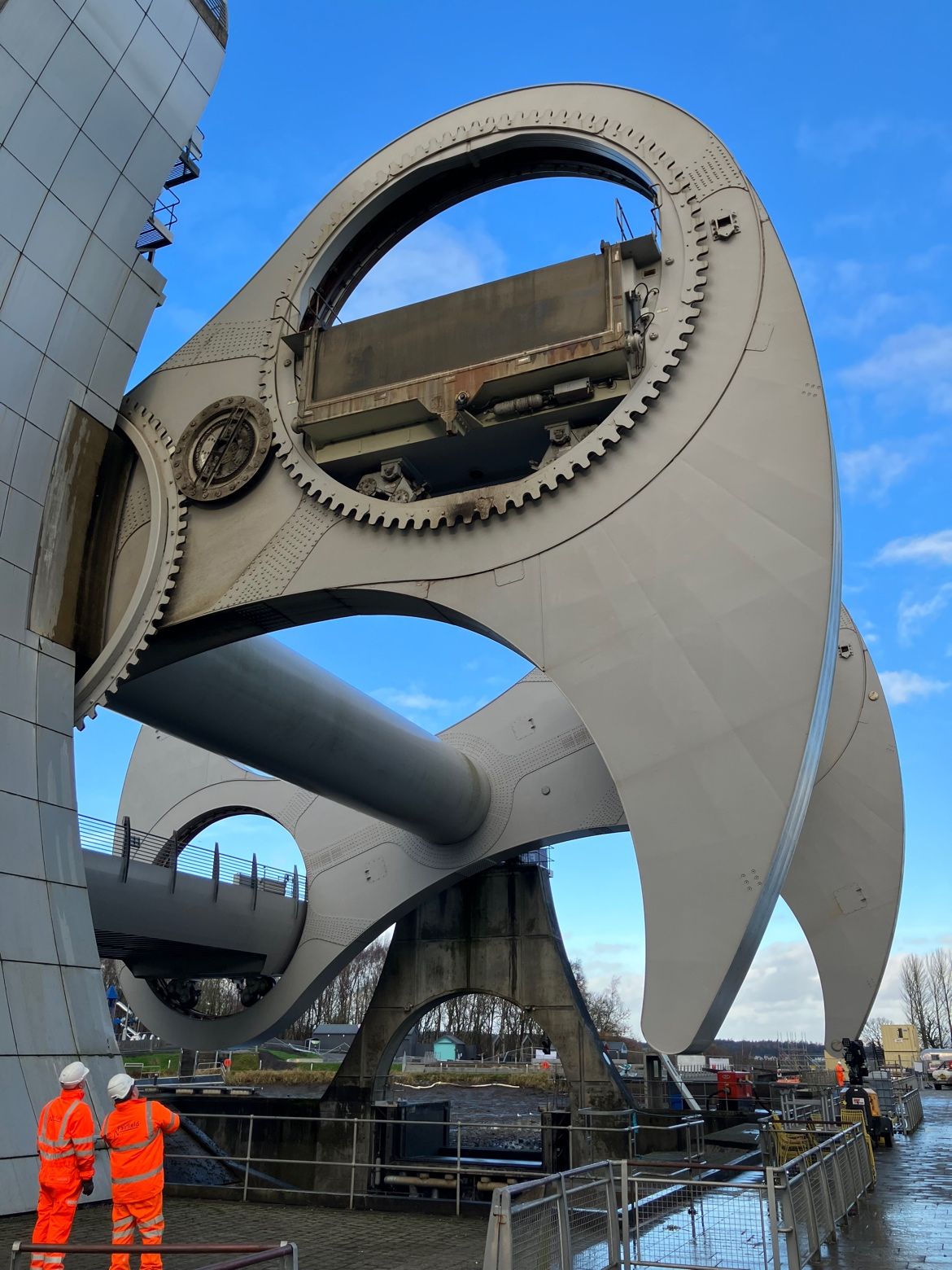
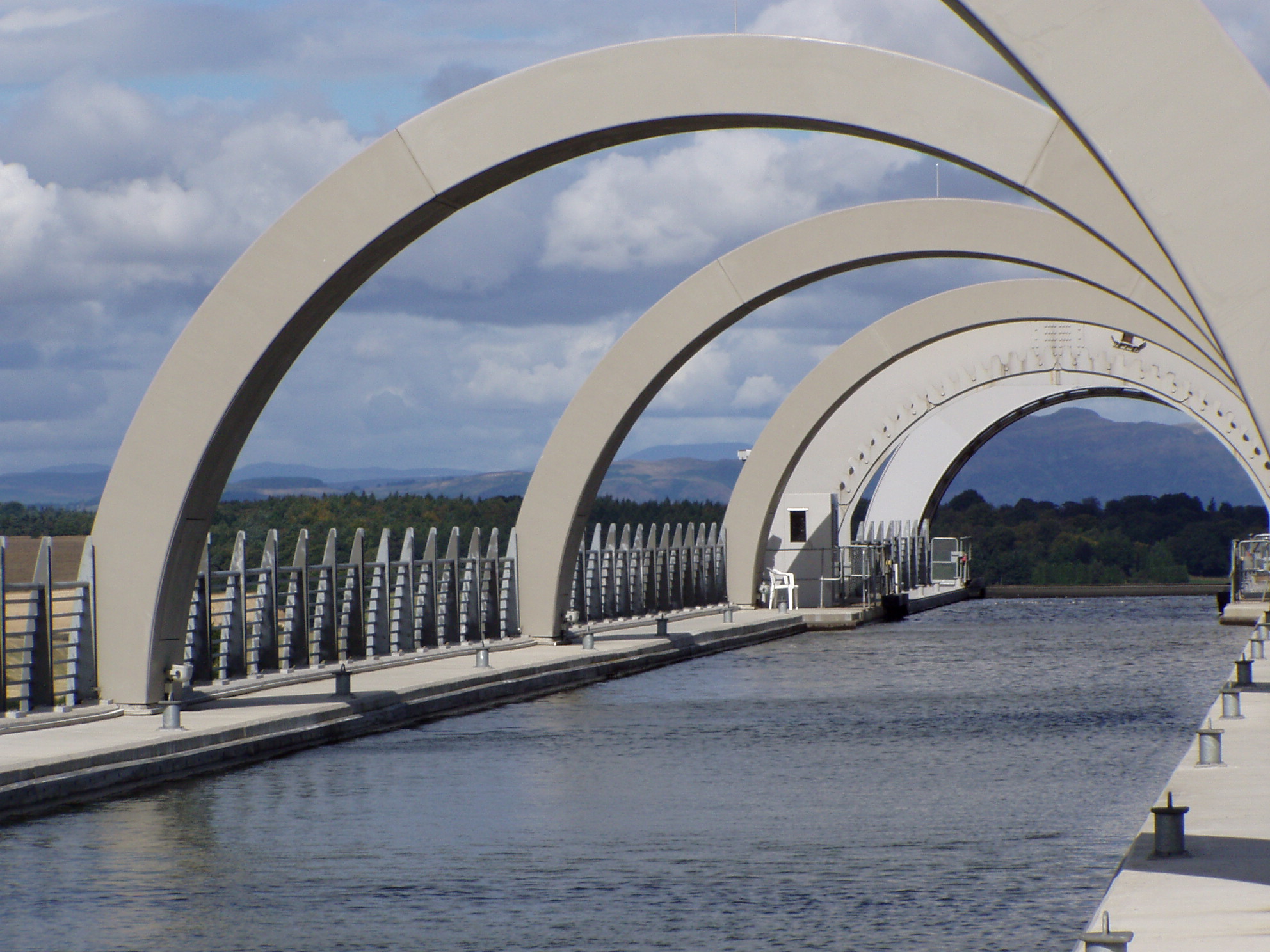
The Falkirk Wheel is the world’s only rotating boat lift, connecting the Union Canal and the Forth and Clyde Canal. It lifts boats approximately 35 metres using a precise balancing system, where hydraulic, mechanical, electrical and control systems must all work together seamlessly.
Fairfields originally designed and delivered the electrical and control system for the Wheel, forming the backbone of its operation since opening. With ongoing maintenance and support, this long term involvement provided a detailed understanding of the asset and its operational requirements.
Building on this knowledge, Fairfields delivered a full MEICA upgrade to modernise key systems, address ageing equipment and improve overall reliability, safety and maintainability. The project was delivered under an NEC4 contract, with Fairfields acting as Principal Designer and Principal Contractor, taking responsibility for both design coordination and delivery.

Scope of Works
The project involved a coordinated upgrade across mechanical, hydraulic, electrical and control systems.
Key elements included:
- Upgrading hydraulic cylinders and power units
- Replacing and improving MCCs and power distribution
- Modernising PLC systems and control architecture
- Installing new instrumentation, including improved water level measurement
- Enhancing SCADA and operator interfaces
- Upgrading safety systems and interlocks
- Improving communications and industrial networks
- Supporting civils works for installation and routing
- Full testing, commissioning and operational proving
- Operator training and handover
The upgrades were designed to improve performance while maintaining compatibility with the existing structure and how it operates.
Key Challenges
The Falkirk Wheel is a unique structure, which means there is no standard approach to upgrading it. All new systems had to integrate with an existing, bespoke mechanical and hydraulic arrangement.
The works were carried out within a fixed shutdown period, so planning and sequencing were critical. Delays would have impacted reopening and canal operations, so risks were managed early through detailed surveys and design.
Access across the structure also presented challenges. Equipment is located across multiple levels, including the central hub and control areas, requiring careful coordination and safe working practices.
One of the most critical aspects of the upgrade was maintaining accurate water balance. The Wheel relies on precise water level control to ensure both sides remain balanced during rotation. Improvements to instrumentation and control systems were therefore key to enhancing reliability and safety.
Delivery Approach
A structured and collaborative approach was used throughout the project.
Operating as Principal Designer and Principal Contractor, Fairfields coordinated all disciplines and stakeholders, managing interfaces across mechanical, hydraulic, electrical and control systems within a single delivery team.
The project followed a full lifecycle approach, from early surveys and design through to installation, testing and commissioning, providing a single, coordinated point of responsibility.
Offsite testing of control systems, MCCs and instrumentation helped reduce risk during installation, ensuring systems were proven before arriving on site.
Installation was carefully phased, with planned changeovers from old to new systems to maintain control and minimise risk.
Final commissioning included integrated testing across hydraulic, mechanical and control systems, followed by operational proving and support for operators.
Outcome
The upgrade has improved the reliability, safety and long term maintainability of the Falkirk Wheel.
Modern control systems, upgraded hydraulics and improved instrumentation provide better operational visibility and reduce the risk of unplanned downtime. The asset is now more resilient, easier to maintain and better prepared for future requirements.
With Fairfields continuing to support the Wheel, the project demonstrates the value of a full lifecycle approach, from original design through to upgrade and ongoing maintenance, delivered by a single, integrated team.